Whether you’re building a cozy home in Kampala, a shop in Gulu, or a school in Jinja, sand is the unsung hero of construction. From mixing concrete to plastering walls, getting the right amount of sand ensures your project stays on budget and schedule. But how do you estimate sand needs without overbuying or running short? This comprehensive guide, tailored for Ugandans, will walk you through the process in a clear, concise, and engaging way. Let’s dive in and make your construction journey smoother than a well-plastered wall!
Why Estimating Sand Needs Matters in Uganda
Sand is a critical ingredient in construction across Uganda, used for concrete, plastering, bricklaying, and even landscaping. With sand prices varying by region—higher in urban centers like Kampala and lower in rural areas like Mbale—accurate estimation saves money and prevents delays. Plus, with environmental concerns around sand mining in places like Lake Victoria, using just what you need is an eco-friendly choice.
In this article, we’ll cover:
- Types of sand used in Ugandan construction
- Step-by-step guide to estimating sand needs
- Tips to avoid common mistakes
- Ways to source quality sand locally
- Budgeting and sustainability tips
Let’s get started with the basics.
Types of Sand for Construction in Uganda
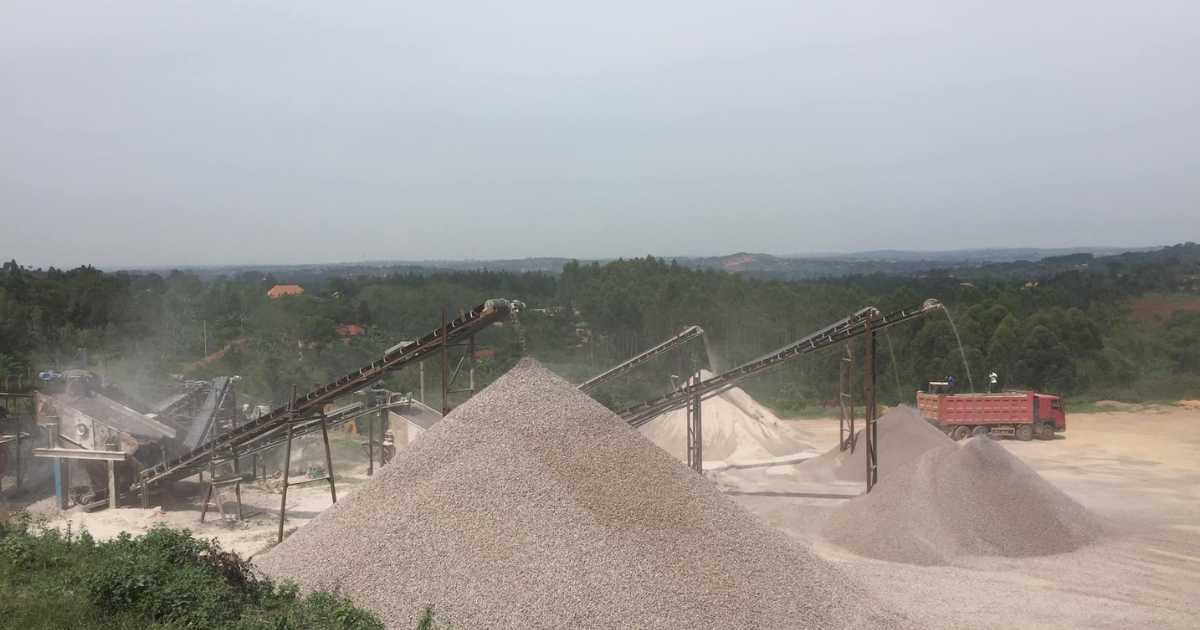
Before estimating, you need to know the type of sand your project requires. In Uganda, sand is sourced from rivers, lakes, and quarries, and each type has a specific purpose.
1. River Sand
- Best for: Plastering, bricklaying, and finishing
- Features: Fine, smooth texture; ideal for sleek walls
- Where to find: Common in areas near the River Nile or Lake Victoria
2. Pit Sand (Lake Sand)
- Best for: Concrete mixing and foundations
- Features: Coarse, gritty; provides strength
- Where to find: Sourced from lakes or quarries in Wakiso and Mukono
3. M-Sand (Manufactured Sand)
- Best for: Eco-friendly projects, concrete
- Features: Crushed stone sand; sustainable alternative
- Where to find: Available from suppliers in Kampala and Entebbe
Pro Tip: Always check sand quality. Rub it between your fingers—it should feel gritty, not muddy. Poor-quality sand can weaken your structure.
Step-by-Step Guide on how to estimate sand needs
Estimating sand needs doesn’t require an engineering degree—just a bit of math and common sense. Follow these steps to get it right.
Step 1: Understand Your Project Scope
Ask yourself:
What are you building? A house, wall, or pavement?
What tasks require sand? Concrete, plastering, or bricklaying?
How big is the project? Measure the area (length x width x height).
Example: For a small house in Mbarara, you might need sand for the foundation, walls, and plastering. A 3-bedroom house typically has a floor area of about 100 square meters.
Step 2: Break Down Sand Uses
Each construction task uses sand differently. Here’s a quick breakdown:
Concrete: Used for foundations, slabs, and beams. Ratio is typically 1:2:4 (cement:sand:aggregate).
Plastering: For smooth walls. Ratio is 1:4 (cement:sand).
Bricklaying: For bonding bricks. Ratio is 1:6 (cement:sand).
Fun Fact: In Uganda, sand is often sold by the ton or truckload (e.g., 7-ton or 14-ton tipper trucks). Knowing the task helps you estimate tons needed.
Step 3: Calculate Sand Volume
To estimate sand, you’ll need to calculate the volume in cubic meters (m³) or convert to tons. Here’s how:
For Concrete
Measure the area (e.g., a foundation of 10m x 10m x 0.15m = 15 m³).
Use the concrete ratio (1:2:4). Sand is 2 parts out of 7 total parts.
Sand volume = (2/7) x total volume. For 15 m³, sand = (2/7) x 15 = 4.29 m³.
Convert to tons: 1 m³ of sand ≈ 1.6 tons. So, 4.29 m³ x 1.6 = 6.86 tons.
For Plastering
Calculate wall area (e.g., 4 walls of 10m x 3m = 120 m²).
Assume a plaster thickness of 0.015m. Volume = 120 x 0.015 = 1.8 m³.
The sand ratio is 4/5. Sand volume = (4/5) x 1.8 = 1.44 m³.
Convert to tons: 1.44 x 1.6 = 2.3 tons.
For Bricklaying
Estimate the number of bricks (e.g., 10,000 bricks for a house).
Each 1,000 bricks needs about 0.3 m³ of mortar.
The sand ratio is 6/7. Sand volume = (6/7) x (10 x 0.3) = 2.57 m³.
Convert to tons: 2.57 x 1.6 = 4.11 tons.
Step 4: Add a Buffer
Always add 10-15% extra sand to account for spillage, compaction, or errors. For example, if you need 6.86 tons for concrete, order about 7.5-8 tons.
Step 5: Check with Your Supplier
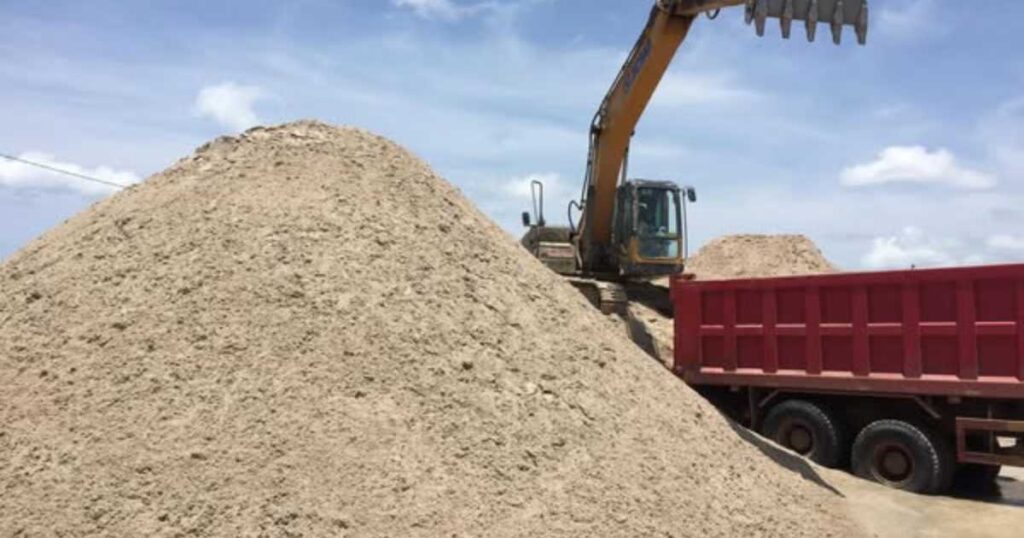
Sand suppliers in Uganda often quote per ton or truckload. Confirm the truck’s capacity (e.g., a 7-ton tipper) and compare prices. In Kampala, river sand costs about UGX 150,000-200,000 per ton, while pit sand is cheaper at UGX 100,000-150,000.
Common Mistakes to Avoid
Even seasoned builders in Uganda make these errors. Here’s how to steer clear:
- Underestimating Needs: Running out of sand mid-project delays work. Always add a buffer.
- Buying Poor-Quality Sand: Muddy or salty sand weakens structures. Inspect before buying.
- Ignoring Transport Costs: Sand from far-off quarries (e.g., Mukono to Arua) can double costs.
- Not Checking Ratios: Wrong cement-to-sand ratios waste materials. Stick to standard ratios (1:2:4 for concrete, 1:4 for plastering).
Quick Tip: Visit your supplier’s quarry or stockyard in person. In places like Wakiso, you can negotiate better prices for bulk orders.
Sourcing Quality Sand in Uganda
Finding reliable sand suppliers is key. Here are some tips:
- Kampala and Wakiso: Suppliers along Entebbe Road or in Mukono offer river and pit sand. Check reviews on platforms like Jiji.ug.
- Northern Uganda (Gulu, Lira): Local quarries near the River Nile provide affordable pit sand.
- Eastern Uganda (Mbale, Tororo): Lake sand is common and cheaper than in urban areas.
- Western Uganda (Mbarara, Fort Portal): Connect with local hardware stores for trusted suppliers.
Sustainability Tip: Opt for M-sand where possible. It’s eco-friendly and reduces strain on Uganda’s rivers and lakes.
Budgeting for Sand in Your Project
Sand costs can add up, especially for large projects. Here’s how to plan:
- Get Multiple Quotes: Compare prices from at least three suppliers.
- Factor in Transport: Delivery from quarries to your site can cost UGX 200,000-500,000 per trip.
- Buy in Bulk: Ordering a 40-ton truckload is often cheaper than multiple small loads.
- Negotiate: In Uganda, bargaining is common. A friendly chat can lower prices.
Fun Fact: In rural Uganda, some communities barter sand for goods like maize or goats—talk about a win-win!
Eco-Friendly Sand Use in Uganda
Sand mining in Uganda, especially around Lake Victoria, has raised environmental concerns. Here’s how you can build responsibly:
- Use M-Sand: It’s made from crushed stones, reducing riverbed damage.
- Minimize Waste: Accurate estimation prevents excess sand from being dumped.
- Support Local: Buy from licensed quarries to ensure sustainable practices.
Fun FAQs About how to estimate sand needs in Uganda
Can I use beach sand for construction?
Nope! Beach sand is salty and can corrode your structure. Stick to river or pit sand.
How do I know if my sand is good quality?
Rub it in your hands. It should feel gritty, not slimy. You can also mix a small batch of concrete and test its strength.
Is sand cheaper in rural areas?
Yes! Rural areas like Mbale or Arua often have lower prices than Kampala, but transport costs can offset savings.
Conclusion: on how to estimate sand needs
Estimating sand needs for your construction project in Uganda doesn’t have to be a headache. By understanding your project, choosing the right sand type, and following our step-by-step guide, you’ll save time, money, and stress. Whether you’re in bustling Kampala or serene Fort Portal, these tips will help you build a strong, beautiful structure. So, grab your tape measure, connect with a trusted supplier, and let’s get building!
Do you have questions or need more tips? Please post them in the comments or contact a local supplier today. Happy building!